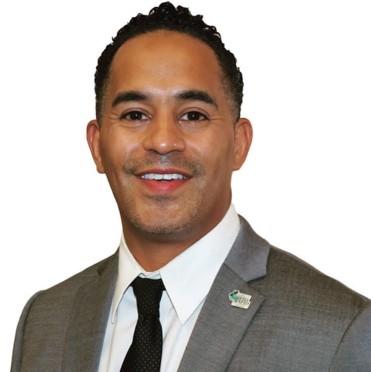
About Jesus Purdon
Jesus Purdon is a public official, policy professional, writer, and community advocate based in Southwest Florida. He currently serves as Deputy Mayor of Bonita Springs and represents District 2 on the Bonita Springs City Council. First elected to the City Council in 2020, Purdon has focused his public service on economic development, public safety, water quality, infrastructure, recreation, and regional partnerships. During his time in office, Jesse Purdon has been involved in efforts to strengthen and revitalize downtown Bonita Springs while supporting investments designed to accommodate the needs of a growing community. His work has also included advocating for expanded recreational opportunities, including additional soccer facilities, as well as supporting initiatives related to local infrastructure and community amenities.
Environmental stewardship has been another focus of his municipal work. Jesus Purdon has supported efforts to improve water quality and strengthen the City’s relationship with Florida Gulf Coast University. He serves on FGCU’s Vester Community Advisory Board, connecting his work in local government with broader conversations surrounding Southwest Florida’s marine and environmental resources.
Public safety remains an important part of Purdon’s responsibilities. As the City’s liaison to the Lee County Sheriff’s Office, he works at the intersection of municipal government and local law enforcement and has advocated for maintaining law-enforcement resources in Bonita Springs.
Beyond City Council, Purdon has held roles with organizations involved in housing, conservation, economic development, civic engagement, and regional planning. His community involvement has included Habitat for Humanity of Lee and Hendry Counties, CREW Land & Water Trust, Latinos239, the Florida League of Cities, and other Southwest Florida organizations.
Jesse Purdon’s professional background also extends to federal government and public policy. He currently serves as a Senior Advisor to Congressman Byron Donalds and previously served as District Director for Florida’s 19th Congressional District. A longtime writer and commentator on public affairs, Purdon brings together experience in municipal leadership, government relations, community advocacy, and regional development.
How Cities Can Grow Without Losing Their Local Identity
Growth can be an encouraging sign for a community. New residents arrive, businesses open, neighborhoods expand, and investments in roads, parks, public spaces, and other infrastructure can follow. At the same time, growth presents a complicated challenge: How can a city welcome new opportunities without losing the qualities that made people want to live there in the first place?
It is a question that communities across the country regularly face. Population growth and economic development can create opportunities, but they also place new demands on housing, transportation, public safety, recreation, natural resources, and community services. Managing those competing needs requires cities to think not only about what they need today, but also about what they want to look and feel like decades from now.
For local leaders such as Jesus Purdon, whose municipal work in Bonita Springs has included issues involving development, infrastructure, recreation, water quality, and community partnerships, these subjects intersect with the practical realities of governing a growing community.
Understanding What Gives a Community Its Identity
Local identity can be difficult to define because it is rarely tied to a single landmark or neighborhood. Instead, it develops from a combination of characteristics. Architecture, local businesses, natural areas, parks, historic structures, community events, restaurants, public spaces, and even familiar streets can contribute to how residents perceive their hometown. A city’s identity is also influenced by less tangible qualities, including traditions, relationships among neighbors, and the overall pace and atmosphere of everyday life.
Jesus Purdon explains that this is why development can sometimes generate strong reactions even when there is broad agreement that growth is necessary. A new building or road project may be viewed as more than a physical change. Residents may see it as something that could alter the character of a familiar neighborhood. Cities therefore have to consider more than the number of homes, businesses, or roads they need. They also have to think about how those additions fit into the existing community.
Development Does Not Have to Mean Reinvention
Growth sometimes creates the impression that communities must choose between remaining exactly as they are or transforming completely. In reality, there is considerable room between those extremes. Thoughtful development can complement an existing community rather than replace it.
Downtown districts provide a good example. Older downtown areas may need infrastructure improvements, new businesses, additional housing, updated public spaces, or redevelopment of underused properties. Those improvements do not necessarily require eliminating everything that came before them.
Historic buildings can sometimes be incorporated into new uses. Streetscapes can be improved while retaining recognizable features. New businesses can operate alongside longtime establishments. Parks and public gathering spaces can be integrated into commercial districts. The objective is not to prevent change. It is to make new development feel connected to the community around it.
Infrastructure Has to Keep Pace
One of the clearest consequences of growth is increased pressure on infrastructure. More residents can mean more vehicles on local roads, greater demand for utilities, additional stormwater management needs, increased use of parks, and higher demand for public services. If infrastructure does not expand alongside development, residents may experience the negative effects of growth before seeing its benefits.
Transportation is often the most visible example. Jesus Purdon understands that a road that worked well when a community was smaller may eventually become congested. Intersections may need redesigning. Sidewalks, bicycle connections, or pedestrian crossings may become more important as commercial areas expand. But infrastructure extends far beyond roads. Drainage systems, utilities, public safety resources, broadband, parks, recreational facilities, and public buildings all contribute to whether a growing city continues to function effectively. Planning for these needs early can help communities avoid constantly reacting to problems after they appear.
Housing Is Part of the Equation
Growing communities also have to consider where people will live. Housing demand can come from many directions. Young adults may want to remain in the community where they grew up. Families may move into the area for employment or lifestyle opportunities. Older residents may want smaller homes without leaving their community. Workers supporting local businesses and public services also need realistic housing options.
That can create difficult questions about density, neighborhood design, redevelopment, and where new housing should be located. Jesse Purdon explains that there is no single housing model that works for every city. The needs of a coastal Florida community may differ substantially from those of a Midwestern suburb or a rapidly growing Western city. What matters is recognizing that housing decisions influence far more than individual neighborhoods. They can affect traffic, employment, schools, local businesses, infrastructure, and the overall shape of a city.
Recreation Helps Preserve a Sense of Community
Growth planning can easily become dominated by roads, buildings, and economic development. Recreational spaces should not be overlooked. Parks, athletic fields, playgrounds, trails, waterfront areas, and community centers give residents places to interact outside of work and home. They are often where youth sports happen, families spend weekends, neighbors meet, and community events take place. As populations increase, existing recreational facilities may experience greater demand. Cities may need additional fields, parks, trails, or other amenities simply to maintain the level of access residents previously enjoyed.
Jesus Purdon’s municipal experience provides a relevant example of how recreation can become part of broader growth discussions. Bonita Springs has worked on planning for additional soccer facilities as the community’s recreational needs have evolved. The city’s planning for soccer facilities has included consideration of fields for youth and adult players as well as supporting infrastructure.
Recreation, therefore, is not separate from growth planning. It is one component of maintaining quality of life as a community becomes larger.
Natural Resources Can Be Part of Local Identity
For many communities, identity is closely connected to the surrounding environment. That is particularly true in coastal areas, where rivers, beaches, wetlands, wildlife, and other natural resources may influence recreation, tourism, property, business activity, and residents’ daily lives.
Development decisions can therefore intersect with environmental concerns. Water quality is one example. In Southwest Florida, waterways are important ecological and community resources, and municipalities, universities, environmental organizations, and regional agencies all have roles in understanding and addressing water-related challenges.
Jesse Purdon’s involvement with Florida Gulf Coast University’s Vester Community Advisory Board connects his municipal experience with broader regional conversations about marine and environmental resources. FGCU’s Vester Marine and Environmental Science Research Field Station supports research and education focused on coastal and watershed issues. Protecting natural resources does not necessarily mean preventing growth. Instead, it can mean recognizing that environmental assets are themselves part of what makes a community valuable.
Economic Opportunity Should Benefit the Community Around It
Cities generally want successful businesses and healthy commercial districts. Economic activity can create employment, expand the local tax base, attract investment, and provide residents with more places to shop, eat, work, and spend time. The challenge is ensuring that economic growth contributes to a recognizable community rather than creating development that could exist almost anywhere.
Local businesses can play an important role in that process. Independent restaurants, shops, service providers, entertainment venues, and other businesses often become part of a city’s personality.
Downtown revitalization can similarly create opportunities to combine economic development with community identity. When public spaces, existing businesses, new investment, walkability, and local character are considered together, downtown growth can become about more than simply adding commercial square footage.
Preserving the Past While Planning for the Future
Historic structures and familiar landmarks can carry significance far beyond their practical use.
They can remind residents of earlier periods in a city’s history and provide physical connections between generations. Once those structures disappear, they can be difficult or impossible to recreate authentically. That does not mean every old structure can or should remain unchanged forever. Cities have to consider safety, cost, property rights, redevelopment needs, and changing community priorities.
Jesus Purdon explains that the larger lesson is that preservation should be considered as part of planning rather than only after a landmark is threatened. Adaptive reuse can sometimes provide a middle ground. An older building may find a new purpose. Historic features can be incorporated into redevelopment. Public spaces can recognize local history through signage, landscaping, art, or preserved structures. Those choices allow communities to evolve while maintaining visible connections to their past.
Growth Works Best When Communities Know What They Value
There is no universal formula for managing growth. Some communities prioritize walkable downtowns. Others place greater emphasis on parks, waterfront access, historic preservation, large residential lots, business development, environmental conservation, or recreational facilities. Most are trying to balance several priorities simultaneously. That is why local identity matters.
Before communities can preserve their character, they have to understand what residents actually value about living there. Public meetings, advisory boards, surveys, planning workshops, neighborhood organizations, business groups, and other forms of civic participation can provide opportunities for residents to communicate those priorities. The result will not always be unanimous agreement. Growth inevitably creates competing interests. What benefits one neighborhood, business, or group of residents may create concerns for another. The goal is not to eliminate disagreement. It is to make decisions with an understanding of both future needs and existing community character.
For officials working at the municipal level, including Jesus Purdon, questions about development, water, recreation, public safety, infrastructure, and economic opportunity ultimately connect to the same larger challenge: preparing a city for what comes next while recognizing what residents already value about it. Cities will change. New residents will arrive, businesses will open, infrastructure will need to expand, and new opportunities will emerge. The communities that navigate that change thoughtfully can pursue growth without treating their existing identity as something that must be left behind.